
Industrial cooling towers are large heat removal systems used to cool water for factories, power plants, and HVAC systems. They work by transferring waste heat from water into the atmosphere, making them essential for industries that generate significant heat during operations. 🌡️ What is an Industrial Cooling Tower? - Definition: A cooling tower is a heat rejection device that cools water by evaporative cooling, releasing heat into the atmosphere. - Purpose: Used in power plants, chemical plants, steel mills, and HVAC systems to maintain safe operating temperatures. - Process: Hot water from industrial equipment is pumped into the tower, sprayed over fill material, and cooled by air circulation before being recirculated. 🏭 Types of Cooling Towers - FRP Cooling Towers (Fiberglass Reinforced Plastic): Lightweight, corrosion-resistant, and durable. - Induced Draft Cooling Towers: Use fans to pull air through the system for efficient cooling. - Counterflow Towers: Air moves vertically against water flow, offering compact design and high efficiency. - Timber & RCC Cooling Towers: Heavy-duty designs for large-scale industrial applications. - Closed Circuit Cooling Towers: Prevent contamination by keeping process fluid in a sealed loop. ⚙️ Key Components - PVC Honeycomb Fills: Increase air-water contact for better cooling. - Sprinkler Systems: Distribute water evenly to avoid dry spots. - Fans & Motors: Control airflow and cooling capacity. - Casing Materials: FRP, metal, timber, or RCC depending on application. 📊 Industrial Applications - Power Generation: Cooling steam in turbines. - Petrochemical & Chemical Plants: Managing heat from reactors and distillation units. - Steel & Metallurgy: Cooling furnaces and rolling mills. - HVAC Systems: Large commercial buildings and data centers. 💰 Typical Capacities & Costs - Small towers: 5 TR to 500 TR capacity (TR = Tons of Refrigeration). - Example: 75 TR cooling tower costs around ₹1, 20, 000 – ₹1, 50, 000. - Large RCC towers: Custom-built for power plants, costing significantly more. ✅ In short: Industrial cooling towers are critical for removing excess heat in large-scale operations. They come in various designs (FRP, induced draft, counterflow, RCC) and are tailored to industry needs, balancing durability, efficiency, and cost. Would you like me to create a diagram or visual illustration of how an industrial cooling tower works? That could make the process easier to understand. Sources:


This is your website preview.
Currently it only shows your basic business info. Start adding relevant business details such as description, images and products or services to gain your customers attention by using Boost 360 android app / iOS App / web portal.
Industrial cooling towers
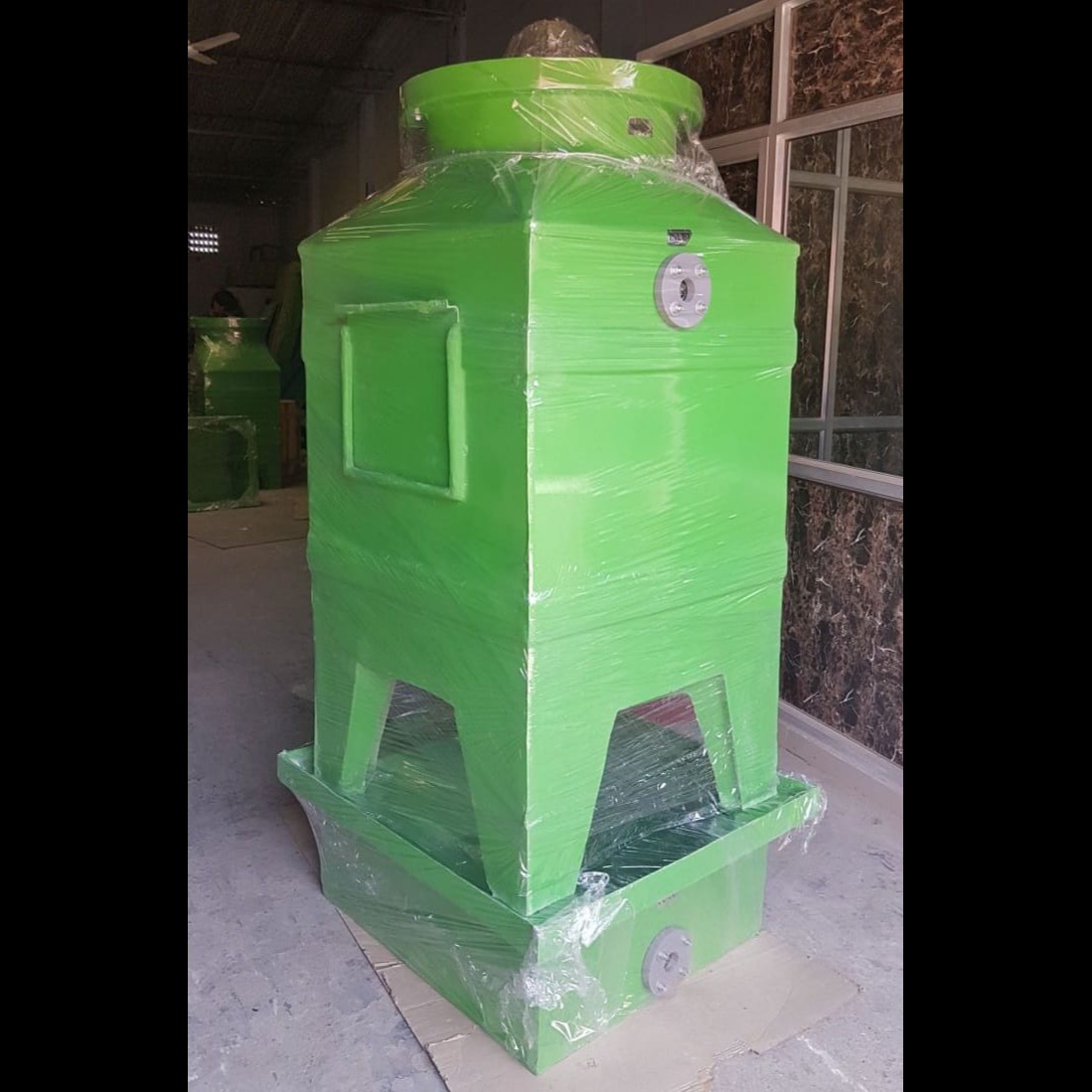
2025-11-24T05:09:22
Industrial cooling towers are large heat removal systems used to cool water for factories, power plants, and HVAC systems. They work by transferring waste heat from water into the atmosphere, making them essential for industries that generate significant heat during operations. 🌡️ What is an Industrial Cooling Tower? - Definition: A cooling tower is a heat rejection device that cools water by evaporative cooling, releasing heat into the atmosphere. - Purpose: Used in power plants, chemical plants, steel mills, and HVAC systems to maintain safe operating temperatures. - Process: Hot water from industrial equipment is pumped into the tower, sprayed over fill material, and cooled by air circulation before being recirculated. 🏭 Types of Cooling Towers - FRP Cooling Towers (Fiberglass Reinforced Plastic): Lightweight, corrosion-resistant, and durable. - Induced Draft Cooling Towers: Use fans to pull air through the system for efficient cooling. - Counterflow Towers: Air moves vertically against water flow, offering compact design and high efficiency. - Timber & RCC Cooling Towers: Heavy-duty designs for large-scale industrial applications. - Closed Circuit Cooling Towers: Prevent contamination by keeping process fluid in a sealed loop. ⚙️ Key Components - PVC Honeycomb Fills: Increase air-water contact for better cooling. - Sprinkler Systems: Distribute water evenly to avoid dry spots. - Fans & Motors: Control airflow and cooling capacity. - Casing Materials: FRP, metal, timber, or RCC depending on application. 📊 Industrial Applications - Power Generation: Cooling steam in turbines. - Petrochemical & Chemical Plants: Managing heat from reactors and distillation units. - Steel & Metallurgy: Cooling furnaces and rolling mills. - HVAC Systems: Large commercial buildings and data centers. 💰 Typical Capacities & Costs - Small towers: 5 TR to 500 TR capacity (TR = Tons of Refrigeration). - Example: 75 TR cooling tower costs around ₹1, 20, 000 – ₹1, 50, 000. - Large RCC towers: Custom-built for power plants, costing significantly more. ✅ In short: Industrial cooling towers are critical for removing excess heat in large-scale operations. They come in various designs (FRP, induced draft, counterflow, RCC) and are tailored to industry needs, balancing durability, efficiency, and cost. Would you like me to create a diagram or visual illustration of how an industrial cooling tower works? That could make the process easier to understand. Sources:
2025-11-24T05:09:22


Submit Your Enquiry